
Prague-founded 360 agency MMCC Digital joins forces with Cyber Gear, which has worked in the UAE digital market since 1996 MMCC Digital, a 360 digital marketing agency with offices in Prague and Dubai, has formed a partnership with Cyber Gear, the Dubai digital agency founded by Sharad Agarwal. Together the two companies will offer UAE businesses one team for marketing strategy,
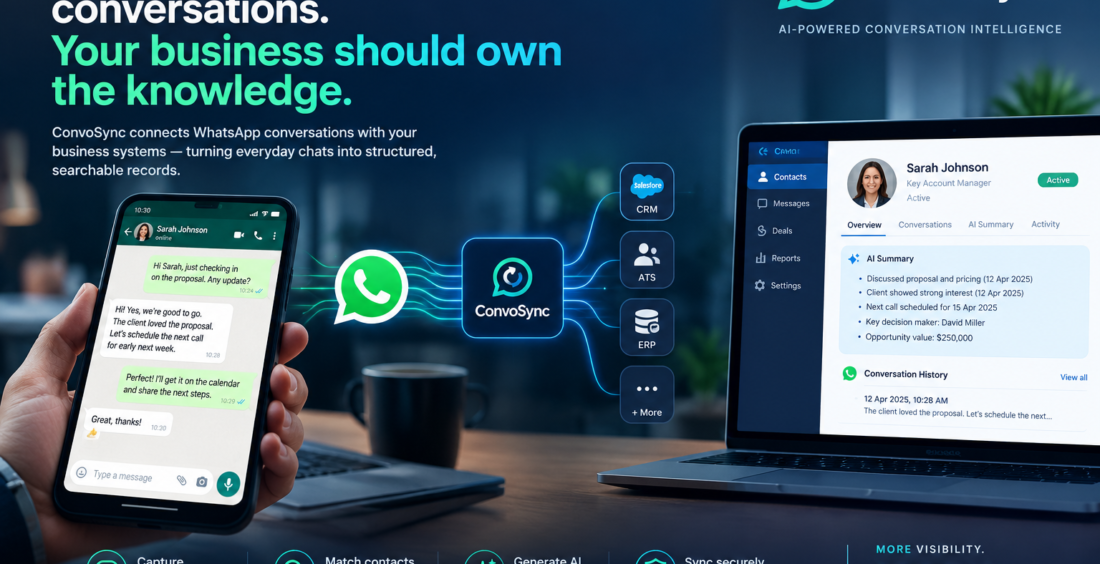
Cyber Gear and ScaleupAlly have launched ConvoSync – an AI Agent that helps corporations manage WhatsApp communication. This can help an organisation: To run tailor made marketing campaigns for their customers based on their conversations with the sales team, to upsell the right deals. To help new salespersons understand the whole context and take over any conversation with any client handled by

What is IAM? Most security decisions come down to two questions: who are you, and what are you allowed to do? Identity and Access Management (IAM) is the field that deals with both. Authentication checks who you are, usually with a password plus a second factor. Authorization decides what you can do once you are in. In a company